
Retina and Ocular Diabetes
Laser Treatment for Diabetic Retinopathy: What It Can and Cannot Do
Read this guide
High Vision
Schedule an appointment
Choose how to contact the office.
Retina and Ocular Diabetes
Choose how to contact the office.
In brief: Laser treatment for diabetic retinopathy is a proven procedure to stop or slow the progression of damage to the retina caused by diabetes. Its main goal is to preserve the vision that remains, not restore vision that has already been lost. Medical follow-up and blood glucose control remain essential after the procedure.
Being told you need laser treatment for the retina can raise many questions, and that is completely understandable. Knowing what to expect from laser treatment for diabetic retinopathy—and what its limitations are—can help you make more informed decisions and better navigate your care.
Diabetic retinopathy is an eye complication of diabetes that damages the small blood vessels in the retina. The damage occurs silently and progressively, and can advance for years without obvious symptoms.
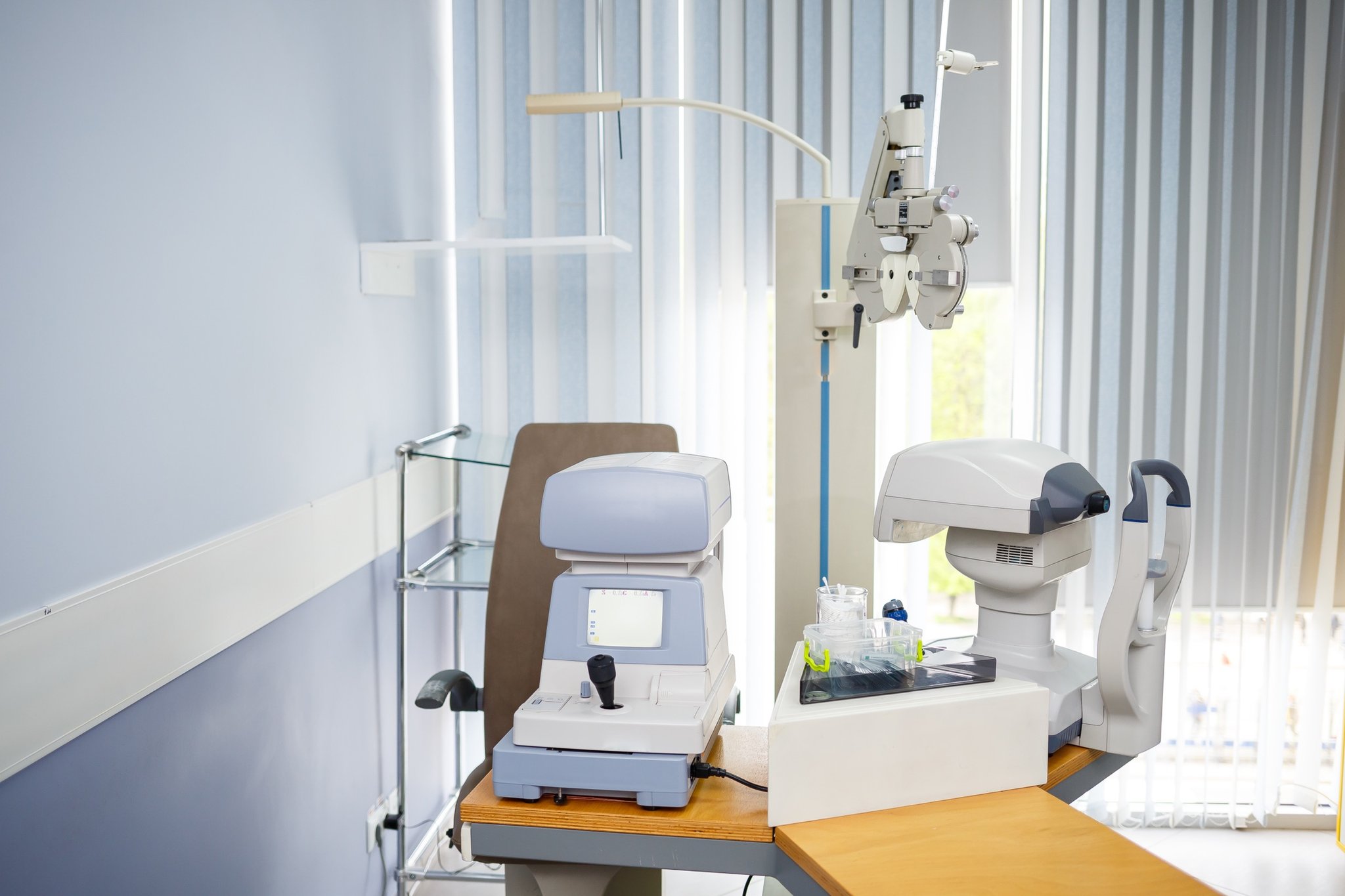
Diabetic retinopathy is a microvascular disease that damages the small blood vessels in the retina. These vessels are affected by the buildup of sugar in the blood, which alters arterioles, capillaries, and venules. (More than 30 % of the population in Mexico has diabetic retinopathy) When damage occurs, glucose does not adequately nourish the cells; the blood thickens, circulation becomes more difficult, and hypoxia—a lack of oxygen—develops in the retina. (More than 30 % of the population in Mexico has diabetic retinopathy)
After 20 years of diabetes, 90% of cases of type 1 and 60% of cases of type 2 will develop some form of retinopathy; of these, 5% will require treatment to prevent irreversible blindness. (Diabetic Retinopathy in Mexico - The International Agency for the Prevention of Blindness) In Mexico, the situation is significant: diabetic retinopathy has an international prevalence of 43.6%, while the estimated prevalence in Mexico is 31.5%. (Diabetic Retinopathy Will Become the Leading Cause of Low Vision in Mexico - Federación Mexicana de Diabetes, A.C.)
There are two main forms: nonproliferative (blood vessels that weaken and leak fluid) and the proliferative (growth of new, fragile blood vessels and potential bleeding). Macular edema—the buildup of fluid in the central area of the retina—can occur in either stage and is a common cause of vision loss.
Diabetic retinopathy does not always cause symptoms in its early stages. When symptoms appear, they can be confused with those of other eye conditions. The following table can help explain the most common differences—it is not intended to diagnose.
Symptom: Blurred central vision
Diabetic retinopathy: Macular edema; common
Other possible causes: Cataracts, presbyopia, dry eye
Symptom: Floaters (myodesopsia)
Diabetic retinopathy: Vitreous hemorrhage; proliferative form
Other possible causes: Posterior vitreous detachment (benign)
Symptom: Shadow or dark veil
Diabetic retinopathy: Extensive vitreous hemorrhage or retinal detachment
Other possible causes: Retinal vascular occlusion
Symptom: Loss of peripheral vision
Diabetic retinopathy: Advanced damage or after panretinal laser treatment
Other possible causes: Advanced glaucoma
Symptom: No symptoms
Diabetic retinopathy: Common in the early stages
Other possible causes: Ocular hypertension, early glaucoma
Important: the absence of symptoms does not mean there is no damage. Retinopathy does not affect vision until very late stages, which is why early patient education is needed to ensure that follow-up care is not neglected. (Diabetic Retinopathy in Mexico - The International Agency for the Prevention of Blindness)
Everyone with diabetes should have regular eye exams, even if they have no symptoms. Some signs warrant a prompt—not postponed—visit with a specialist.
Seek an ophthalmology assessment without delay if you experience:
If you experience sudden vision loss, severe eye pain, or a rapidly advancing shadow, seek emergency eye care that same day. These signs may indicate extensive vitreous hemorrhage or retinal detachment.
An estimated 80% of diabetic retinopathy cases are preventable if detected early; unfortunately, 60% of patients with diabetes do not go for eye exams. (Diabetes and retinopathy in Mexico: What the numbers say - APEC Blog)
Diagnosis and the decision to use laser treatment are based on a complete clinical evaluation. No single symptom determines whether laser treatment is indicated; the specialist needs to see the actual condition of the retina.
The most commonly used tests are:
These tests also help the specialist distinguish whether the damage is reversible or already established, which directly determines realistic expectations for treatment.
The primary goal of laser treatment is to stop the damage from progressing, not to reverse vision loss that has already occurred. This distinction is essential to understanding what to expect from the procedure and avoiding disappointment or misunderstandings.
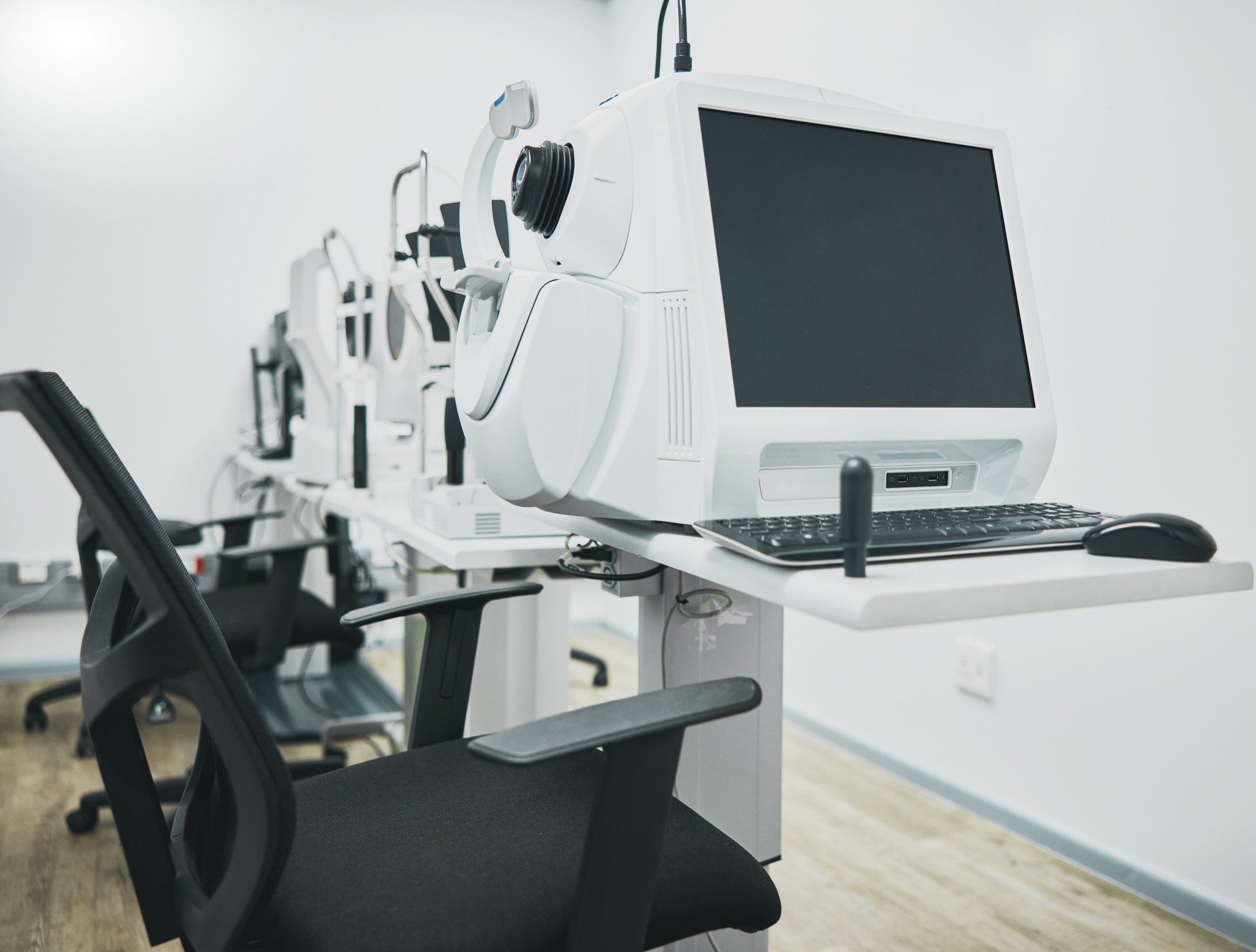
Laser treatment, known as photocoagulation, cannot reverse vision loss that has already occurred, but it can help prevent the patient’s vision from worsening. (Laser surgery for diabetic retinopathy: Procedure and complications) It is important for patients to know that laser treatment aims to prevent future vision loss and is not intended to improve vision. (Preventing sight loss from proliferative diabetic retinopathy)
There are two main types of laser treatment for the retina in people with diabetes:
Panretinal laser treatment may be associated with a reduced peripheral visual field and, in some cases, may affect night vision or color perception. Like any procedure, it carries risks: it may cause loss of peripheral, color, and night vision. For many people, however, the benefits outweigh these risks. (Laser Treatment for Diabetic Retinopathy)
Clinical evidence supports its effectiveness when applied in a timely manner. The effectiveness of laser photocoagulation for diabetic retinopathy has been demonstrated in several clinical trials sponsored by the National Eye Institute (NEI). The Diabetic Retinopathy Study (DRS) showed that scatter photocoagulation reduces the risk of blindness. (Long-Term Follow-Up of Diabetic Retinopathy) Furthermore, the Early Treatment Diabetic Retinopathy Study (ETDRS) showed that moderate vision loss can be reduced by 50% or more with focal or grid photocoagulation. (A Pilot Study of Laser Photocoagulation for Diabetic Macular Edema)
In summary, laser treatment does not cure diabetic retinopathy or eliminate the need to manage diabetes. It is a vision-preserving tool that works best when used as early as possible.
Metabolic control is the most important foundation for protecting the retina. No eye treatment—including laser treatment—replaces proper management of blood glucose, blood pressure, and lipids.
The risk of vision loss and blindness is reduced with stable metabolic control, early detection, and appropriate treatment. (Diabetic Retinopathy in Mexico - The International Agency for the Prevention of Blindness) Regular exams and treatment for retinopathy do not prevent all cases of vision loss, but they considerably reduce the number of patients who become blind. (Diabetic Retinopathy in Mexico - The International Agency for the Prevention of Blindness)
Realistic habits to protect the retina:
Connecting eye health with the comprehensive care ecosystem is key: conditions such as cataracts, dry eye, and glaucoma are also more common in people with diabetes and can coexist with retinopathy.
If you have diabetes and have not yet had a comprehensive retinal evaluation, or if you have already received laser treatment and have questions about your follow-up care, schedule an assessment with a retina specialist to review your case in detail.
In most cases, the goal of laser treatment is to stabilize vision and prevent it from getting worse, not to improve it. When macular edema is treated promptly, some patients report moderate improvement, but this is not the expected outcome in every case.
It depends on the type and extent of the damage. Panretinal laser treatment for proliferative retinopathy generally requires two or more sessions. Focal laser treatment for macular edema may be completed in one or a few sessions. Your specialist will determine the plan based on your case.
The procedure is performed using anesthetic eye drops. During treatment, you may see flashes of light and feel mild discomfort or a pinprick sensation in some areas. Most patients tolerate it well. Your vision may be blurry for the rest of the day.
No. Laser treatment does not cure diabetic retinopathy or stop its underlying cause. Regular follow-up with a retina specialist remains essential after the procedure to assess the response and detect new changes.
Good metabolic control significantly reduces the risk of progressing to stages that require laser treatment. However, it is not always enough. Some patients with adequate control may still develop retinopathy that requires treatment, which is why annual exams are essential.
No. They are completely different procedures. Laser treatment for retinopathy acts on the blood vessels in the retina to control vascular damage. Laser treatment for nearsightedness (LASIK or similar procedures) changes the shape of the cornea to correct refractive error.