
Dry Eye and Allergies
Halloween Makeup Near the Eyes: How to Reduce Irritation and Accidents
Read this guide
High Vision
Schedule an appointment
Choose how to contact the office.
Dry Eye and Allergies
Choose how to contact the office.
In brief: Halloween makeup applied near the eyes can cause irritation, allergic reactions, corneal abrasions, and infections if products not designed for that area are used. Choosing cosmetics formulated for use around the eyes, avoiding the inner eyelid margin, and carefully removing makeup that same night are the most effective ways to reduce the risk.
Halloween is one of the most creative nights of the year, and makeup around the eyes is a key part of many costumes. However, this same area around the eyes is one of the most sensitive parts of the body, and Halloween makeup products aren’t always formulated for use so close to the ocular surface. Understanding what can happen and how to prevent it can make the difference between enjoying the night and ending it with red, watery eyes or, in more serious cases, an emergency visit.
Common causes of irritation include metallic pigments, glitter, fragrances, preservatives, and colorants found in seasonal makeup that is not specifically formulated for use around the eyes. Not all makeup ingredients are safe for the eyes: fragrances (including natural ones), pigments and colorants, metallic pigments, and preservatives such as parabens or benzalkonium chloride can irritate the eyes and eyelids. (Protect Your Eyes From Halloween Hazards)
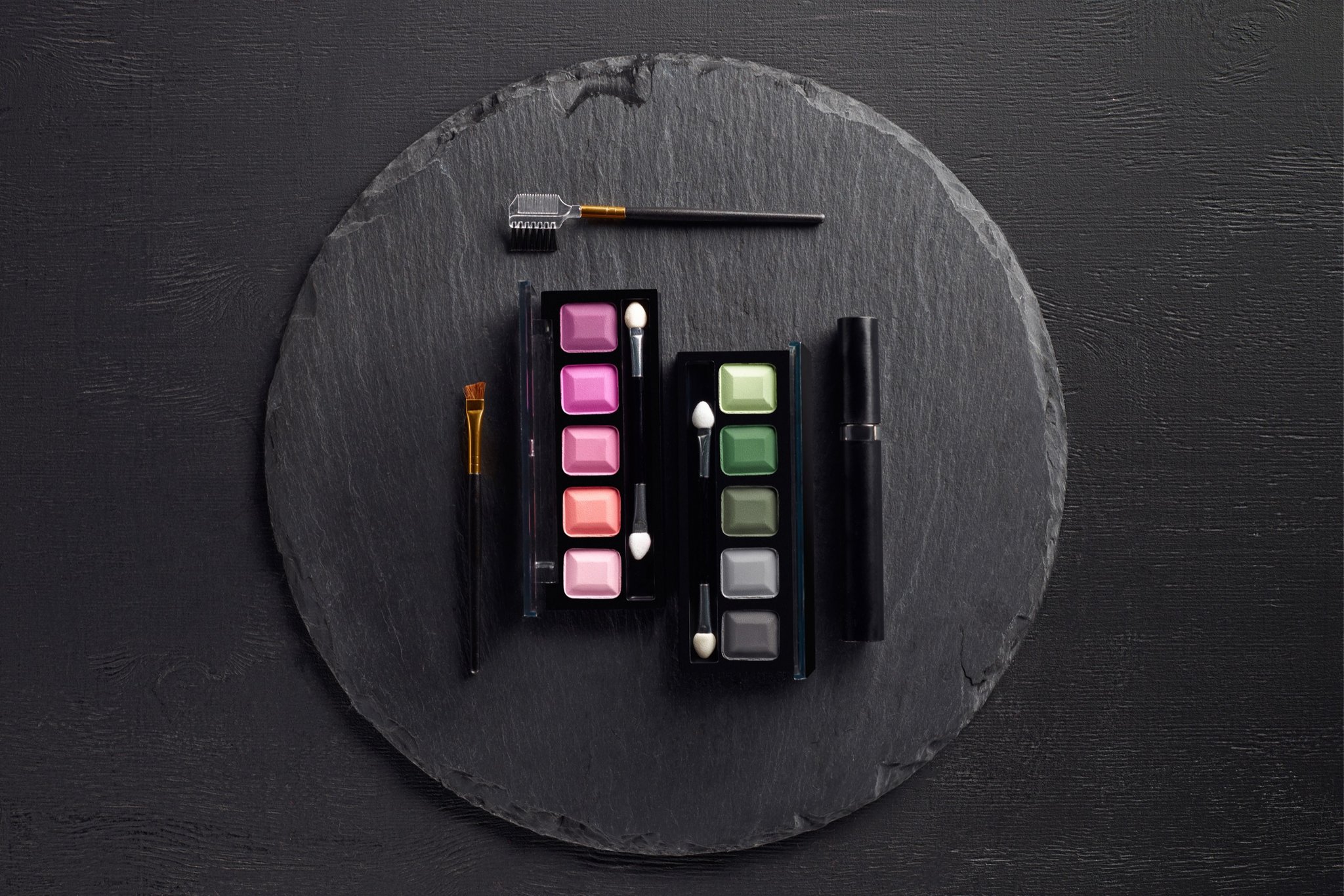
Glitter makeup is a common cause of corneal irritation or infection, especially in people who wear contact lenses. Larger particles can scratch the surface of the eye, much like getting sand or dirt in your eye. (How To Use Cosmetics Safely Around Your Eyes - American Academy of Ophthalmology)
Eye cosmetics contain a variety of substances, such as preservatives, antioxidants, moisturizers, fragrances, UV absorbers, emollients, emulsifiers, and pigments. Some of these products may not be suitable for use near the eyes and may trigger allergic reactions or irritation. (Ocular adverse events associated with eye makeup: a cosmetovigilance-based cross-sectional study of prevalence and predictors among Jordanian women)
Microbial contamination can result from improper handling and storage, and the risk of infection increases when products are shared. In addition, the risk of injury increases with aggressive application and removal techniques, such as rubbing the eyelashes with your fingers or cotton swabs, which can damage the delicate surface of the eye. (Ocular adverse events associated with eye makeup: a cosmetovigilance-based cross-sectional study of prevalence and predictors among Jordanian women)
Makeup-related irritation usually appears as redness, tearing, and a foreign-body sensation. Distinguishing it from other eye conditions can help you decide when to wait and when to seek care.
Symptom: Home
Makeup irritation: During or after application
Infectious conjunctivitis: Gradual, over hours or days
Corneal abrasion: Immediate, after contact
Symptom: Redness
Makeup irritation: Mild to moderate
Infectious conjunctivitis: Moderate to severe
Corneal abrasion: Severe, localized
Symptom: Discharge
Makeup irritation: Clear tearing
Infectious conjunctivitis: Yellow or greenish (bacterial)
Corneal abrasion: Excessive tearing
Symptom: Pain
Makeup irritation: Mild burning or itching
Infectious conjunctivitis: Moderate itching
Corneal abrasion: Sharp pain, light sensitivity
Symptom: Vision
Makeup irritation: Generally unchanged
Infectious conjunctivitis: May be slightly blurry
Corneal abrasion: May be affected
Symptom: Response to makeup removal
Makeup irritation: Improves within minutes to hours
Infectious conjunctivitis: Does not improve with removal
Corneal abrasion: Does not improve on its own
A high percentage of eye makeup users, 85%, have reported at least one adverse reaction, with tearing being the most common symptom, occurring in 59.2% of cases. (Ocular adverse events associated with eye makeup: a cosmetovigilance-based cross-sectional study of prevalence and predictors among Jordanian women - PMC) This indicates that mild irritation is common, but most episodes resolve when the product is properly removed.
Most mild irritation improves after removing makeup that same night. However, certain signs indicate that you should seek a medical assessment rather than wait for the problem to get worse on its own.
Get an eye exam if you experience any of these signs after using Halloween makeup near your eyes:
If your eyes become irritated and something may have gotten into them, rinse them thoroughly with water or eye wash. If the irritation does not improve or your vision is affected, contact your doctor right away. (Spooky Halloween Eye Habits and Safety Tips to Consider)
If you experience sudden, severe pain, vision loss, or exposure to a concentrated chemical in the eye, go to the emergency room without delay. Do not postpone care while waiting to see if it gets better on its own.
If symptoms do not improve within the first 24-48 hours, an ophthalmology consultation can precisely identify the type and extent of the damage. Not all eye discomfort is the same: some cases require specific treatment that can only be recommended after a clinical examination.
During the consultation, the specialist may perform:
People with preexisting conditions such as dry eye, a history of corneal surgery, or contact lens use have a more vulnerable ocular surface. For them, even seemingly mild irritation warrants a prompt evaluation.
Safe application starts before you open any product: wash your hands thoroughly, check the label, and do a patch test. These simple steps significantly reduce the risk of reactions and accidents.

Before applying liquid makeup, carefully wash and cleanse your face, eyelids, and hands. Clean applicators, brushes, and sponges regularly to keep them clean. Read product labels for infection-related precautions, and avoid products containing untested or irritating chemicals. (Frightfully Fun, Safely Seen: Protect Your Eyesight this Halloween!)
Certain ingredients, fragrances, dyes, and preservatives can irritate the eyes or cause allergic reactions. Consider doing a patch test on a small area of skin on your arm ahead of time to avoid swollen eyelids on Halloween. (Spooky Halloween Eye Habits and Safety Tips to Consider)
Avoid applying makeup inside the lash line (the inner waterline). Lining the inner eyelid can block or inflame the moisture glands and cause dry, irritated eyes. (Protect Your Eyes From Halloween Hazards)
Also, consider these practices when applying makeup:
Removing your makeup that same night is just as important as applying it properly. Sleeping with makeup around your eyes prolongs contact between potentially irritating ingredients and the ocular surface, and can clog the eyelid glands.
Use a gentle makeup remover and be careful not to scratch or pull at your eyes, as this can cause irritation or injury. (Eye Safety Tips for Halloween: Protect Your Vision)
For Halloween makeup, which is often more pigmented and offers fuller coverage than everyday makeup, follow these steps in order:
Avoid using “redness relief” eye drops, as they can mask the real problem and make redness and irritation worse. (Spooky Halloween Eye Habits and Safety Tips to Consider)
One fact that underscores the importance of these precautions: cosmetic and personal care products were associated with approximately 42,457 emergency room visits for eye injuries between 2005 and 2024 in the United States, representing about 2,100 visits per year. (Cosmetic Products Linked to More than 42,000 Eye Injuries Over 20 Years, Study Finds - Eyewire+) As study author Aatif Syed noted at the AAO’s annual meeting: “Cosmetic products may seem low-risk because they’re everyday household items, but when they come into contact with the eye—especially chemicals or very hot devices—they can cause significant injuries.” (Everyday Beauty Products Send Thousands to the E.R. With Eye Injuries Each Year - American Academy of Ophthalmology)
If discomfort persists after you remove your makeup, or if you have concerns about the health of your ocular surface, the best course of action is to schedule an assessment with your ophthalmologist before a minor problem becomes a bigger one.
At High Vision, we offer consultations for ocular surface and dry eye conditions to evaluate any discomfort that persists after Halloween night. Schedule an assessment for personalized guidance on caring for your eye health.
You can, but take extra precautions. Glitter makeup is a common cause of corneal irritation or infection, especially in people who wear contact lenses. (How To Use Cosmetics Safely Around Your Eyes - American Academy of Ophthalmology) Put in your contact lenses before applying makeup, avoid chunky glitter, and remove your lenses before taking off your makeup at the end of the night.
Immediately rinse your eye thoroughly with clean water or eye wash. Do not rub it. If burning, pain, or blurred vision persists after rinsing, seek medical attention that same day—do not wait.
Yes, especially if it is applied near the inner eyelid margin. Applying makeup inside the lash line can block or inflame the glands that produce moisture and cause eye dryness and irritation. (Protect Your Eyes From Halloween Hazards) People who already have dry eye are more susceptible to this complication.
If symptoms such as redness, burning, or discharge do not improve within 24-48 hours after removing your makeup, it is time to seek an ophthalmology assessment. An infection that is not treated promptly can progress and affect the corneal surface.
Face paint and glitter makeup may seem like harmless ways to enhance a costume, but if not used correctly, some cosmetic products can cause harmful eye infections. (How To Use Cosmetics Safely Around Your Eyes - American Academy of Ophthalmology) Use only face paints labeled as nontoxic and allergen-tested, and avoid applying them directly to the movable eyelid or lash line.
Irritation usually resolves after removing the product and rinsing. An allergic reaction tends to cause more swollen eyelids and intense itching, and it can worsen over time or recur with the same product. If your eyelids swell noticeably or you develop hives, it is advisable to seek a medical assessment.